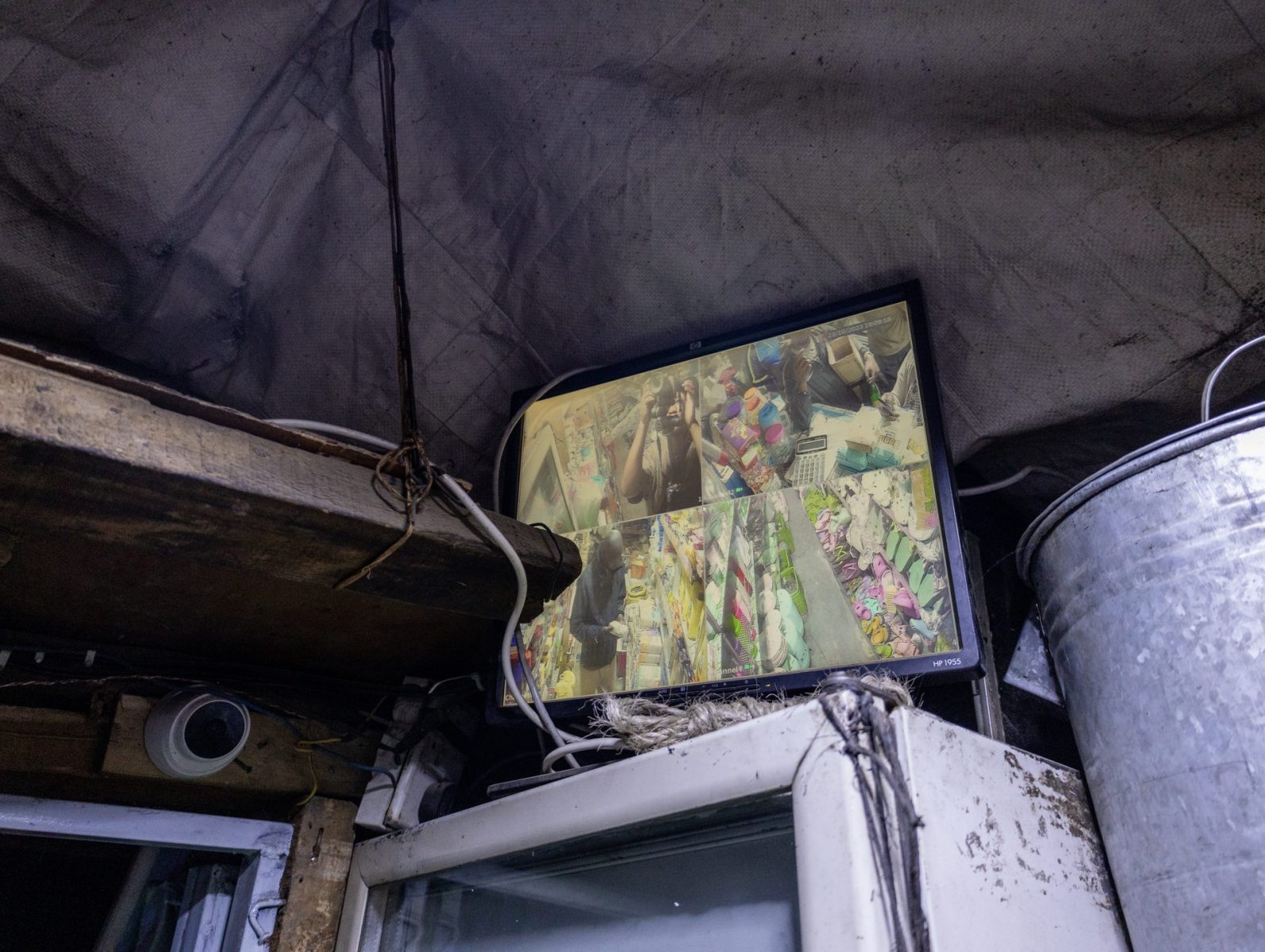
Nairobi purchased its massive traffic surveillance system in 2014 as the country was grappling with a terrorism crisis.Today, the city boasts nearly 2,000 Huawei surveillance cameras citywide, all sending data to the police.On paper, the system promised the ultimate silver bullet: It put real-time surveillance tools into the hands of more than 9,000 police officers. But do the cameras work?
In Africa’s first ‘safe city,’ surveillance reigns
Lights, cameras, what action? In Nairobi, the question looms large for millions of Kenyans, whose every move is captured by the flash of a CCTV camera at intersections across the capital.
Though government promises of increased safety and better traffic control seem to play on a loop, crime levels here continue to rise. In the 1990s, Nairobi, with its abundant grasslands, forests and rivers, was known as the “Green City in the Sun.” Today, we more often call it “Nairobbery.”
Special series
This is the third in a series of multimedia collaborations on evolving systems of surveillance in medium-sized cities around the world by photographers at Magnum Photos, data geographers at the Edgelands Institute, an organization that explores how the digitalization of urban security is changing the urban social contract, and essayists commissioned by Coda Story.
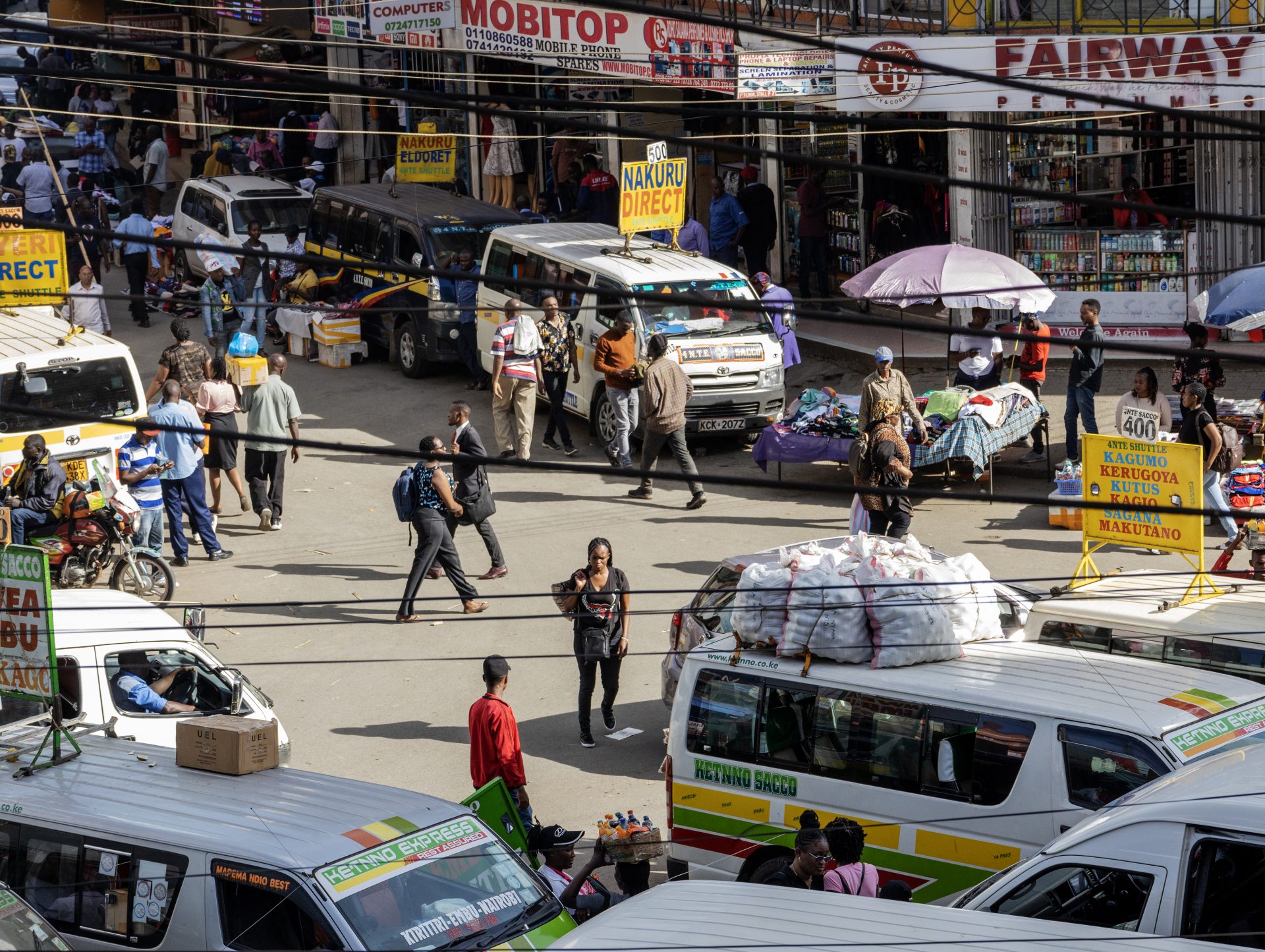
I see it every time I venture into Nairobi’s Central Business District. Navigating downtown Nairobi on foot can feel like an extreme sport. I clutch my handbag, keep my phone tucked away and walk swiftly to dodge “boda boda” (motorbike) riders and hawkers whose claim on pedestrian walks is quasi-authoritarian. Every so often, I’ll hear a woman scream “mwizi!” and then see a thief dart down an alleyway. If not that, it will be a motorist hooting loudly at a traffic stop to alert another driver that their vehicle is being stripped of its parts, right then and there.
Every city street is dotted with cameras. They fire off a blinding flash each time a car drives past. But other than that, they seem to have little effect. I have yet to hear of or witness an incident in which thugs were about to rob someone, looked up, saw the CCTV cameras then stopped and walked away.
Nairobi purchased its massive traffic surveillance system in 2014 as the country was grappling with a terrorism crisis.Today, the city boasts nearly 2,000 Huawei surveillance cameras citywide, all sending data to the police.On paper, the system promised the ultimate silver bullet: It put real-time surveillance tools into the hands of more than 9,000 police officers. But do the cameras work?
In Africa’s first ‘safe city,’ surveillance reigns
Lights, cameras, what action? In Nairobi, the question looms large for millions of Kenyans, whose every move is captured by the flash of a CCTV camera at intersections across the capital.
Though government promises of increased safety and better traffic control seem to play on a loop, crime levels here continue to rise. In the 1990s, Nairobi, with its abundant grasslands, forests and rivers, was known as the “Green City in the Sun.” Today, we more often call it “Nairobbery.”
Special series
This is the third in a series of multimedia collaborations on evolving systems of surveillance in medium-sized cities around the world by photographers at Magnum Photos, data geographers at the Edgelands Institute, an organization that explores how the digitalization of urban security is changing the urban social contract, and essayists commissioned by Coda Story.
I see it every time I venture into Nairobi’s Central Business District. Navigating downtown Nairobi on foot can feel like an extreme sport. I clutch my handbag, keep my phone tucked away and walk swiftly to dodge “boda boda” (motorbike) riders and hawkers whose claim on pedestrian walks is quasi-authoritarian. Every so often, I’ll hear a woman scream “mwizi!” and then see a thief dart down an alleyway. If not that, it will be a motorist hooting loudly at a traffic stop to alert another driver that their vehicle is being stripped of its parts, right then and there.
Every city street is dotted with cameras. They fire off a blinding flash each time a car drives past. But other than that, they seem to have little effect. I have yet to hear of or witness an incident in which thugs were about to rob someone, looked up, saw the CCTV cameras then stopped and walked away.