
We have covered how authorities use biometrics-based ID schemes, or how cities can transform into surveillance hubs with thousands of street surveillance cameras. But there are some downright strange biometric monitoring technologies not just for humans but for animals, too. Here are some that caught our attention.

1) Want to play “Love me… Love me not?” but don’t have daisies to pull apart? For Android users, the Russian company Elsys might have a solution. Its “Love Detector” app allegedly has emotion recognition capability. Elsys provides what it calls VibraImage technology to predict a person’s emotions –and actions– based on vibrations in their head and neck. There’s not enough evidence to suggest the technology actually works but apparently it didn’t stop Russian authorities from using the emotion recognition during the 2014 Sochi Olympics to detect potential terrorists.

2) Your bed, but as a giant Fitbit, collecting your biometric data while you sleep, like temperature, heart rate, breathing, movements, or your sleep environment. Sleeping fitness companies like Ghostbed and Eight Sleep are making mattresses studded with sensors so smart that they can allegedly improve your sleep hygiene. If you prefer your mattress less sentient, devices like bedside radars made by the likes of Beddit can track your sleep movements. Recently Amazon also began planning to monitor slumber –and collect your sleep data in the bargain.
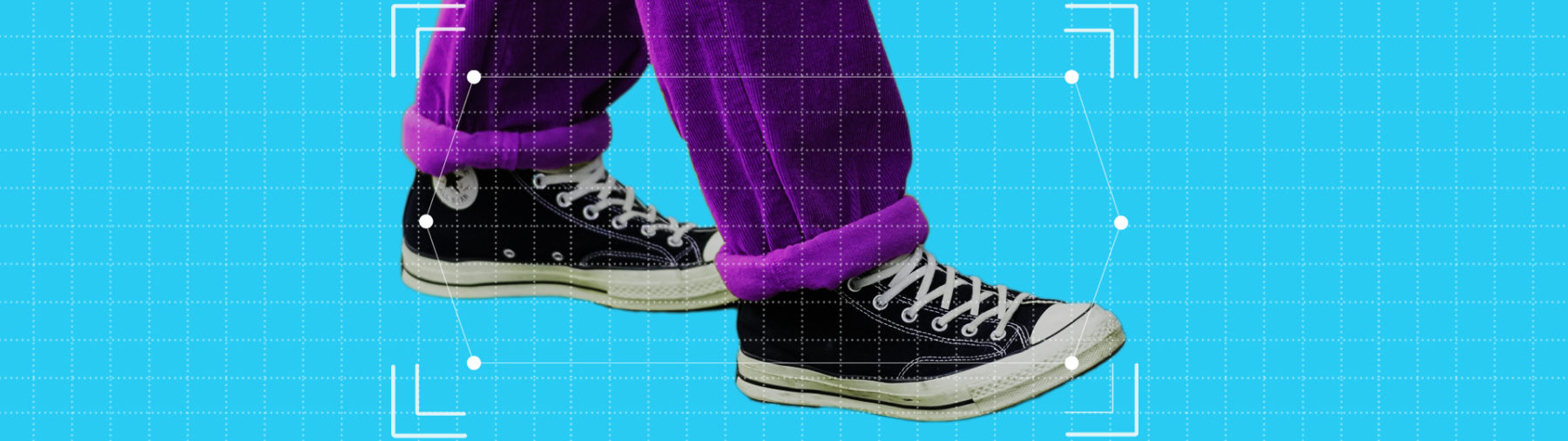
3) Can you recognize your friend down the block by her walk? It’s no longer just your special power. Gait recognition technology, or GRT, monitors and analyzes the shape of a person’s body and their unique biomechanics. The technology can track and identify a person by analyzing step width, walking speed and rotation of the hip. The Chinese government in 2018 started using the technology. According to the developer Watrix, it offers accuracy as high as 94%. Last year, Russia reportedly also started developing the system. Privacy International last year published a guide for protecting against gait recognition at protests.


