
So-called smart items like coffee mugs that keep your brew at the perfect temperature or voice assistants that can play your favorite song on demand, are marketed as innovations in the name of convenience. But they are almost always collecting — and monetizing — a whole lot of information about you. In more cases than we’d like to think about, this can leave people vulnerable to security breaches and other kinds of exposure.
At Coda, we’ve covered stories of law enforcement and other state agencies using surveillance technology that leaves people and their data vulnerable. Here are some examples of seemingly innocuous monitoring tools and techniques that can nevertheless put people’s privacy at risk, along with one example of how nature can fight back — and win.
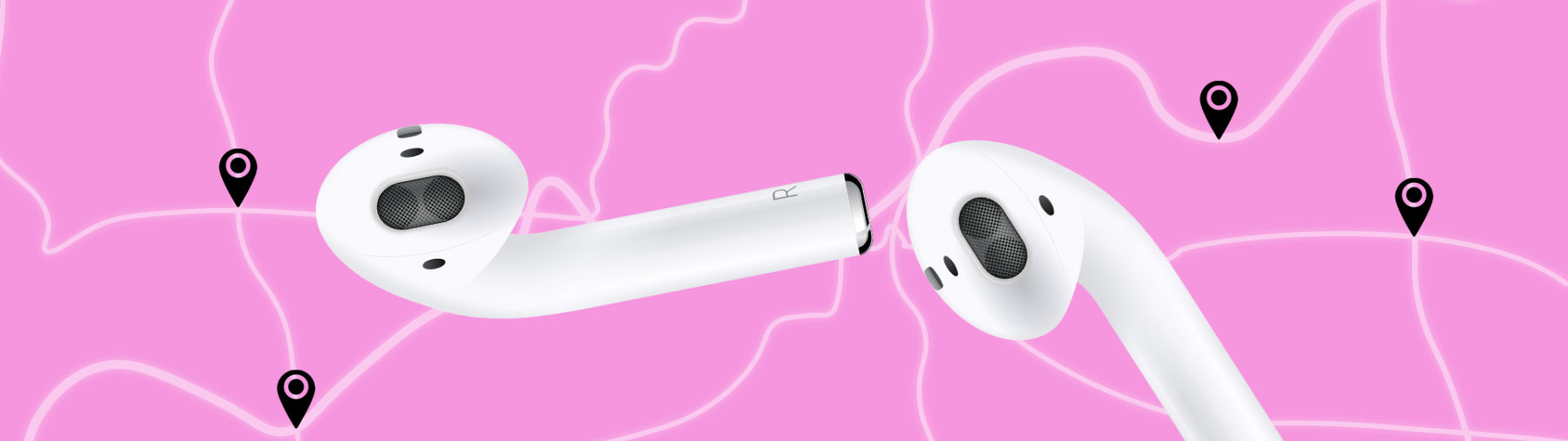
1. Bluetooth headphones: Plenty of people use these — we see them everywhere. But convenient as they are, they also have a tendency to expose our data. A few months ago, I spoke with Bjorn Martin Hegnes, an IT researcher at Norof University in Oslo, Norway. He built a kit for detecting Bluetooth signals and took a long bicycle ride around Oslo. Over the course of 12 days, he tapped into roughly 1.7 million Bluetooth signals and collected corresponding metadata from 129 headsets belonging to people in close proximity to him as he rode along.
With this data in hand, he was able to identify the locations of headset owners, their everyday routes and sometimes even their names, since people often name their devices after themselves. He concluded that devices using static, non-changing MAC addresses — a type of device address that never changes — were easily detectable.


