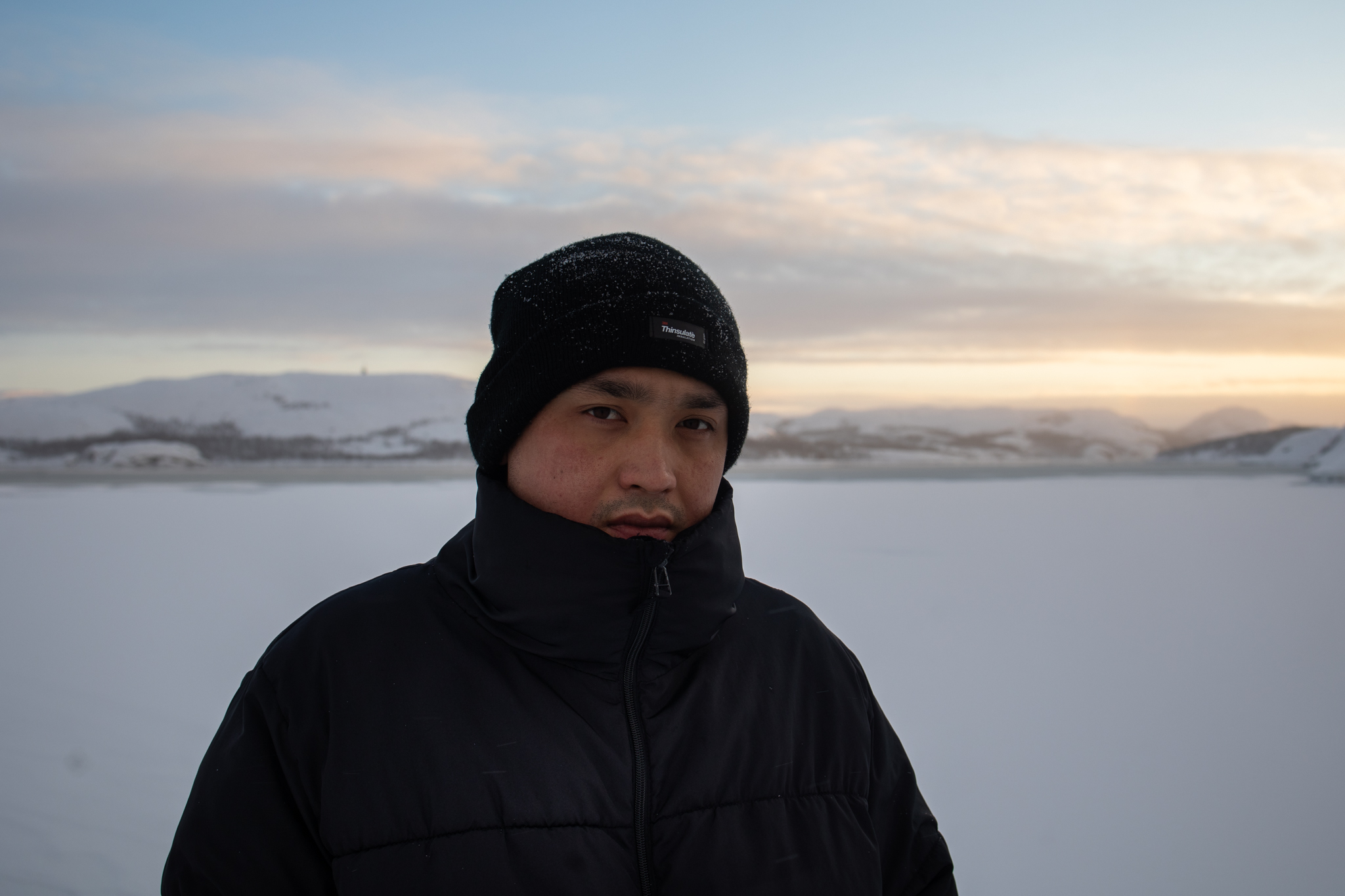
During his final month in Xinjiang, before he set off for Europe, Memettursun Omer’s Chinese handlers threatened him.
China’s repression of journalists: no more borders, no more constraints
Governments targeting journalists for repression and violence is nothing new. Journalists had been killed for chronicling Hitler’s crimes against humanity and exposing Stalin’s Holodomor, the intentional mass starvation in Ukraine. In 2018, Jamal Khashoggi, a journalist critical of Saudi Arabia’s government was dismembered inside the Saudi consulate in Istanbul.
But China’s campaign to intimidate and silence journalism and speech around the world has altered the global repression calculous. Gone are the guard rails that imposed some limits beyond discrete episodes of harassment, efforts to undermine an individual’s credibility, or even targeted assassinations. Instead, a new regime has emerged that ignores national borders and a sense, however wobbly, that there are constraints.
There’s a new term that captures the new war on freedom of expression: transnational repression, and it encompasses high-tech surveillance, shocking acts of transgression against international laws and norms, and old school mafia tactics of threats against family back home.
They told him how they “dealt” with people who went to the west on intelligence missions and then severed contact with the authorities.
“Wherever you go, we can always take you back. You have no other way except to work for us,” they said. When they dropped him off at the airport, they said, “Little brother, if you ever start to forget what we told you, just look at the moon. Wherever you can see the moon, we can find you.”
It was early 2018. The Chinese agents sent Omer to Dubai, with the hope that he would continue on to Europe to spy on the Uyghur diaspora.


