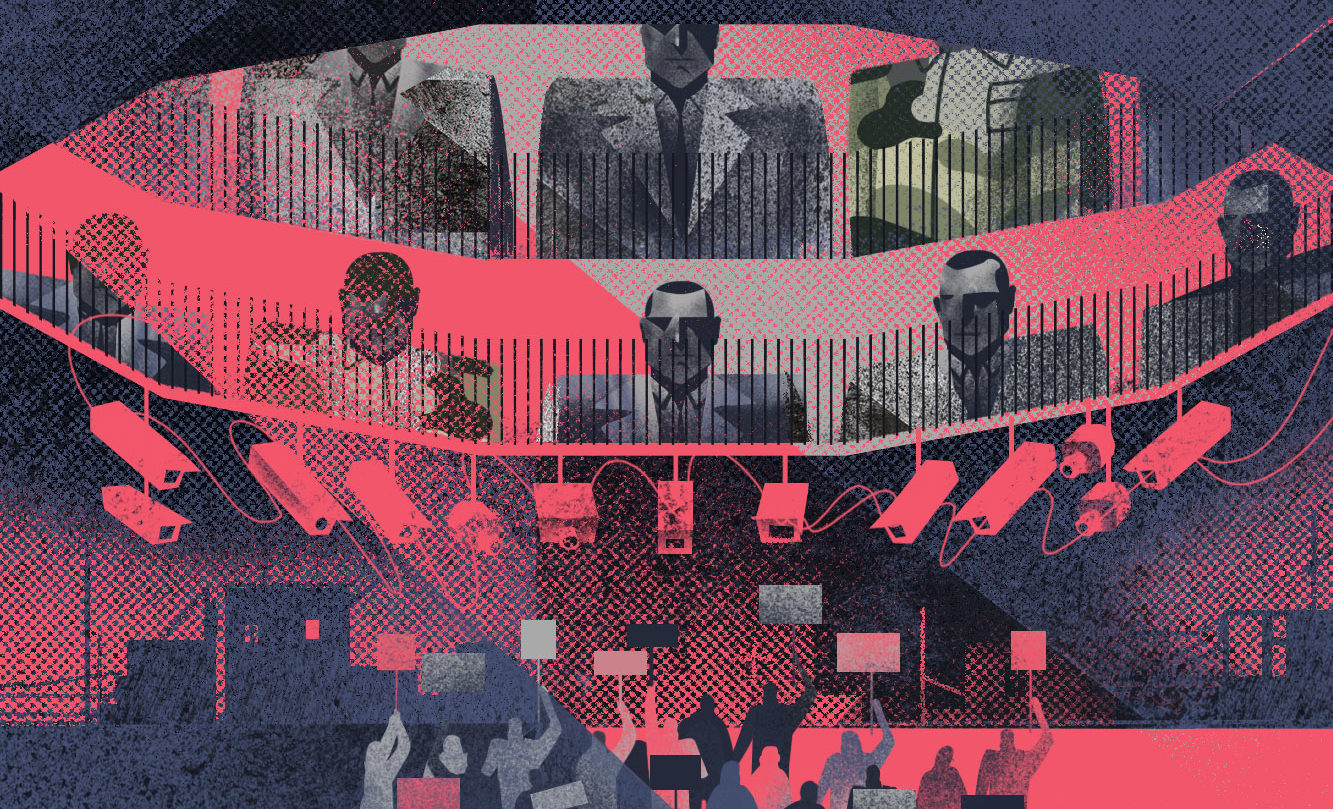
Ordinary Vietnamese people have become increasingly fragile, prone to getting offended at the smallest slight against national pride. Or so the authorities claim. Nowhere is this narrative more manifest than in the censor’s wrath over Netflix.
The latest flare-up occurred in mid-April, when the American streaming giant scrambled to remove the first episode of the docuseries “MH370: The Plane That Disappeared” from its service in Vietnam. The Vietnamese authorities excoriated the three-episode show over what they characterized as “inaccurate and unsubstantiated” information about Vietnam’s search-and-rescue operation to locate flight MH370, the Malaysia Airlines plane that vanished in 2014 en route from Kuala Lumpur to Beijing with 239 people onboard.
This wasn’t the first show to go. Before that, it was “Little Women,” a K-drama about three sisters living in modern day South Korea. The show was axed by Netflix in Vietnam last October after the authorities claimed it distorted Vietnam War history. And in 2021, Vietnam ordered Netflix to stop showing the Australian spy drama “Pine Gap,” which included footage of a map showing Beijing’s unilaterally declared “nine-dash line” that defines its expansive maritime claims in the South China Sea.
The removals followed an eerily similar pattern: To justify their censorship demands, Vietnamese censors invoked the “hurting the feelings of the people” narrative either in their own statements or by way of reports in state-controlled media.