Few men in central Europe have tried harder to hang onto their job over the last few months than Slovakia’s interim Prime Minister Eduard Heger. In September 2022, the 46-year-old and his conservative Ordinary People and Independent Personalities Party (OĽaNO) lost their majority in parliament after their junior coalition partner, the Freedom and Solidarity Party, threw in the towel over disagreements relating to the controversial former finance minister and OĽaNO leader, Igor Matovic. This departure led the way for the opposition to bring a vote of no confidence against the minority government in December, which Heger fought but narrowly lost.
Then the new year came, bringing with it Heger’s determination to cobble together a new parliamentary majority to see out his party’s four-year term. However, after going cap in hand to all possible partners, Heger conceded defeat on January 17 and said he would begin discussions about early elections this fall.
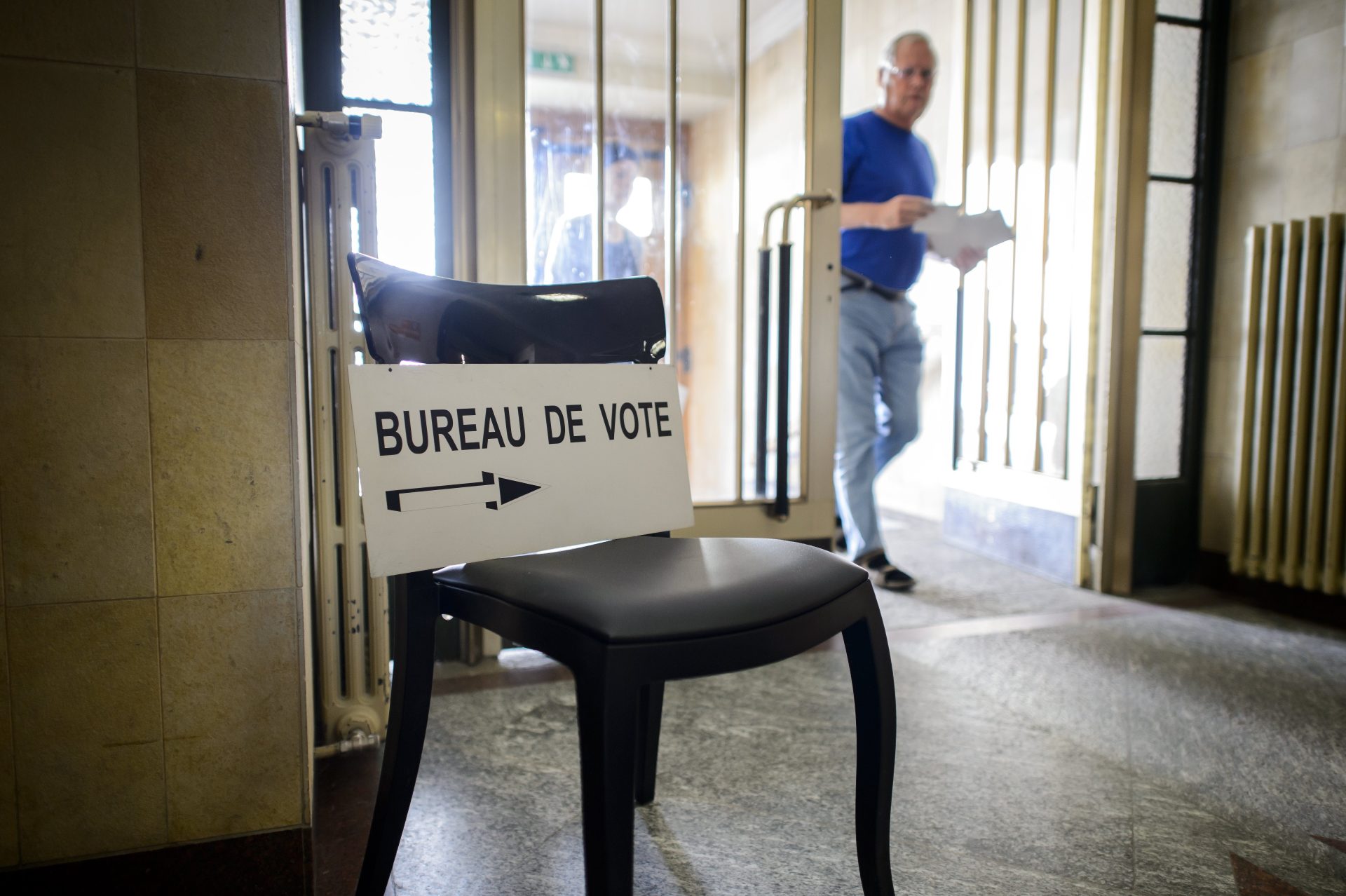
For Robert Fico, the former prime minister and one of Slovakia’s leading populists, a return to the ballot box couldn’t wait. Fico, who resigned from office in 2018 following the murder of investigative journalist Jan Kuciak, has said multiculturalism “is a fiction” and called for Slovakia to cease all aid to Ukraine. Now buoyed by growing support in the polls, Fico’s Smer party initiated a referendum on January 22 that would have cleared the way for early elections by amending the country’s constitution. Despite these efforts the plebiscite failed to meet the 50% turnout needed to validate the results.
Now Slovakia, a small country roughly the size of West Virginia, is holding its breath. With elections likely to be held on September 30, 2023, the race for power is expected to be rife with disinformation and old-fashioned scare tactics. The shadow of populism also looms. Fico’s Smer party is second in the polls to HLAS–SD, a social democratic party founded in 2020 by former members of Smer.