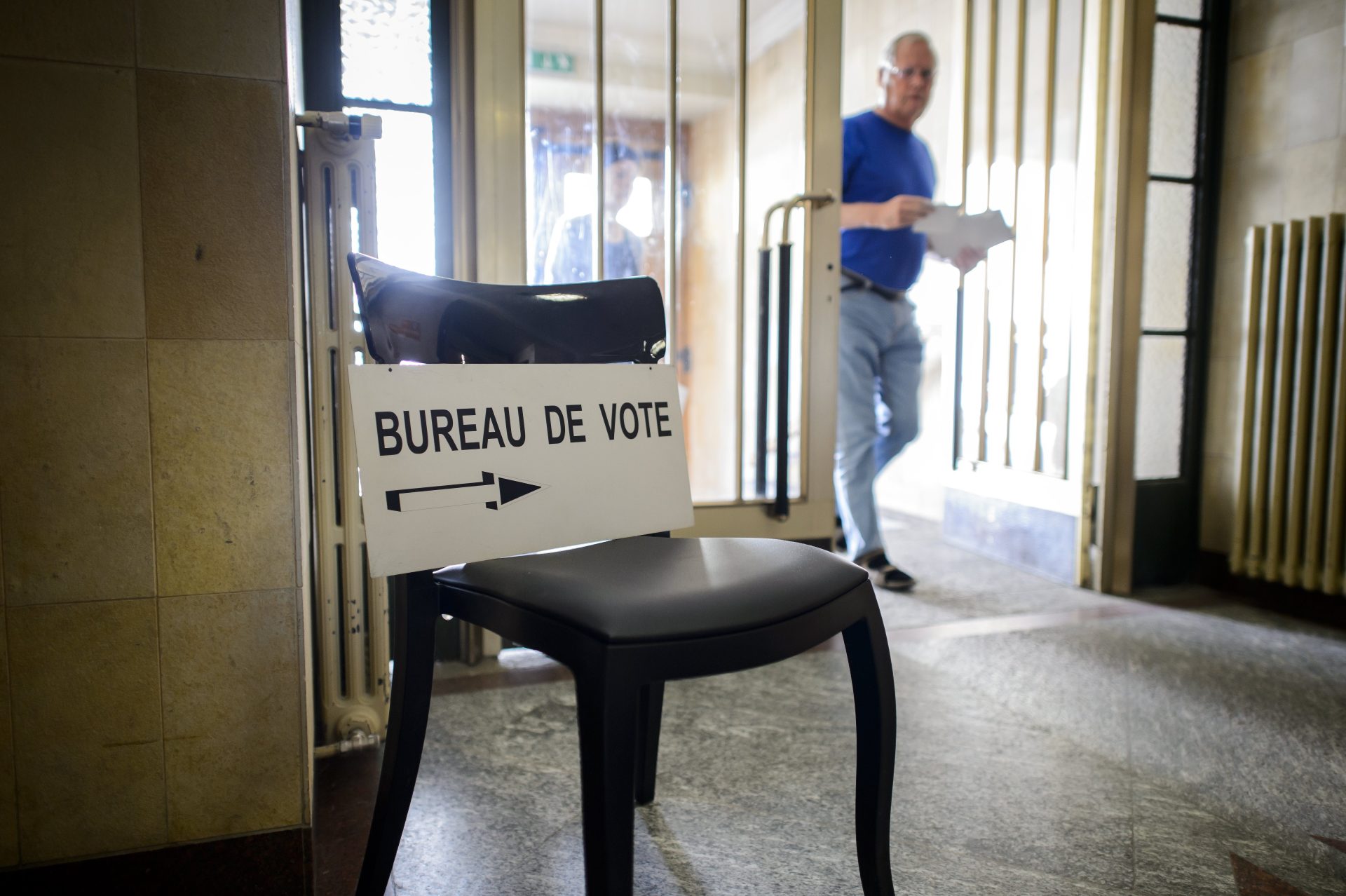
In the next few weeks, millions of Swiss voters will be receiving a familiar package in the mail from their government. Inside the weighty envelope will be ballot papers and a thick booklet of information setting out the pros and cons of the proposals to be decided on in the country’s next referendum, scheduled for May 19.
In next month’s ballot, the second of four referendums this year, citizens will be asked to say yes or no to a tax and pension reform and whether to adopt new European gun controls. As they digest the partisan campaign literature that will also be arriving, as well as television and online advertisements, the Swiss have come to rely on the government-issued booklet as a neutral guide in deciding how to vote.
“For me, the booklet is like the Bible,” said journalist Adrian Arnold, explaining how he makes up his mind before voting. It has become a cornerstone of the country’s 170 year-old system of ‘direct democracy’ — which gives voters the power to overturn legislation.
Switzerland doesn’t do political earthquakes. But earlier this month the country experienced a jolt when its highest court took the unprecedented decision to annul the result of one of these regular referendums — a 2016 vote on a tax change for married couples — on the grounds that voters had been misled by the information in the booklet.


