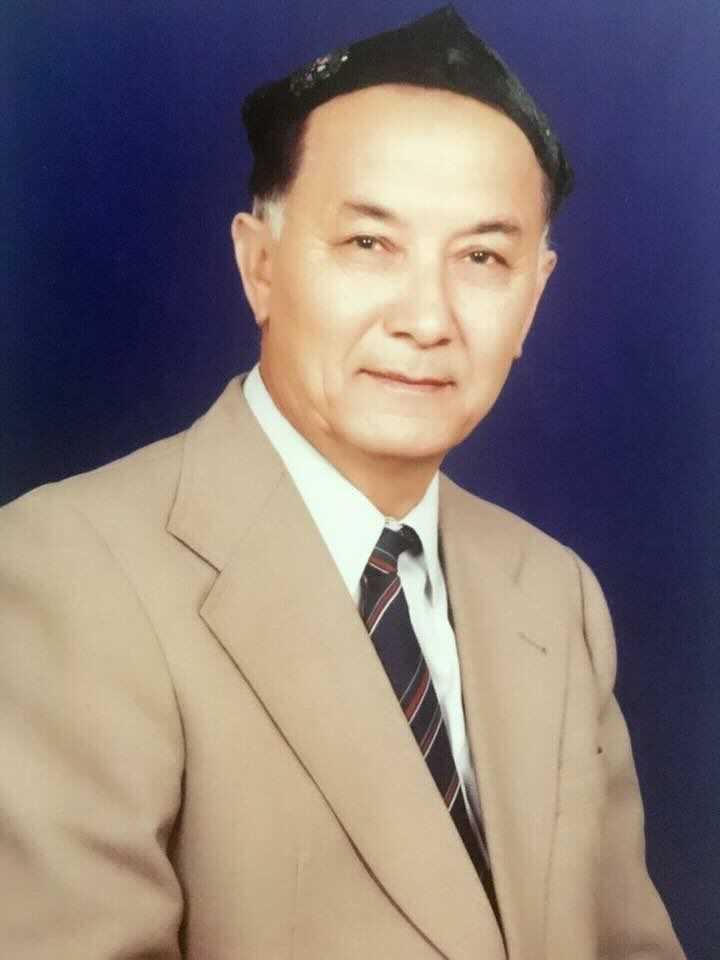
In 1992, the head of the Xinjiang Regional Museum’s archeology department and a well known Uyghur intellectual, Abduqeyum Hoja, had taken a rare trip abroad. He had flown with two Tarim Basin mummies to the University of Tokyo on a mission to date the ancient cadavers — an important scientific quest to advance understanding of the anthropological record in China’s Xinjiang region.
But on a stop in Shanghai to present the University of Tokyo’s findings, scientific authorities revised the age of the mummies. They changed the date so it would be consistent with Han Chinese historical presence in the region. The mummies couldn’t be “older than Chinese history,” remembers the archeologist’s daughter, Gulchehra Hoja. Her father, she recalls, came home to Urumqi, the capital of Xinjiang, shaking with rage.
Eight years later, the museum where Abduqeyum worked was demolished, ostensibly to house its priceless collections in a more modern structure. But Abduqeyum believed the government ordered the building’s destruction in 2000 to help erase the Uyghur cultural record, and his anger flowed again. “So many things in that building went missing, just went away,” Gulchehra said.
And then so did Gulchehra. In July 2001, she had packed a single suitcase to embark on an exciting solo vacation, an itinerary that flew her from Urumqi to Vienna. She could afford a European vacation. Like her father, she had become a well-known figure in Xinjiang. Gulchehra was the host of a popular provincial children’s show, a role she enjoyed, although she had been under pressure to speak more Mandarin, instead of the channel’s primary Uyghur language, and to feature more Han Chinese children.