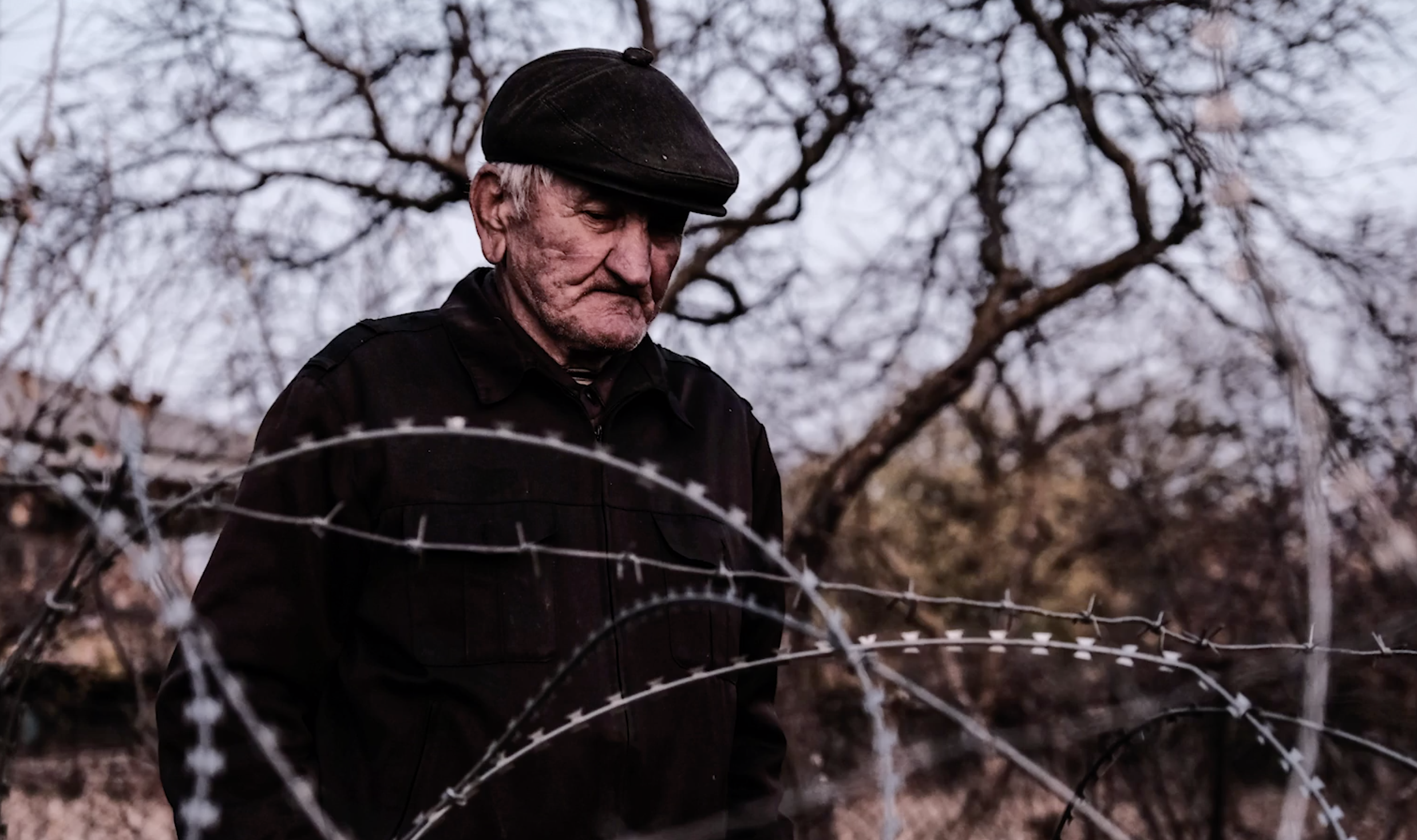
In late-December 2014, Vladimir Lyzgin re-posted an article on Russian social media listing 15 historical facts “the Kremlin stays silent about,” among them a mention of the joint Nazi-Soviet invasion of Poland in September 1939.
Lyzgin is not a political activist, but a car-mechanic from the Urals city of Perm, far from Moscow. But just a few months after making the post on Vkontakte, he was charged with “intentionally” spreading false information about the Soviet Union, and then last year convicted and fined 200,000 rubles (about $3,000 at the time).
He refused to pay the fine and fled Russia — but the authorities had made their point. There is only their version of history, and that means inconvenient facts like Stalin and Hitler’s collaboration in the early stages of WWII — through the 1939 Molotov-Ribbentrop pact — cannot be repeated in Russia.
The mechanic was the first Russian to be found guilty under a series of new laws aimed at combatting “extremism and terrorism” online, which in practice allow the Kremlin to control what Russians are told about their past.