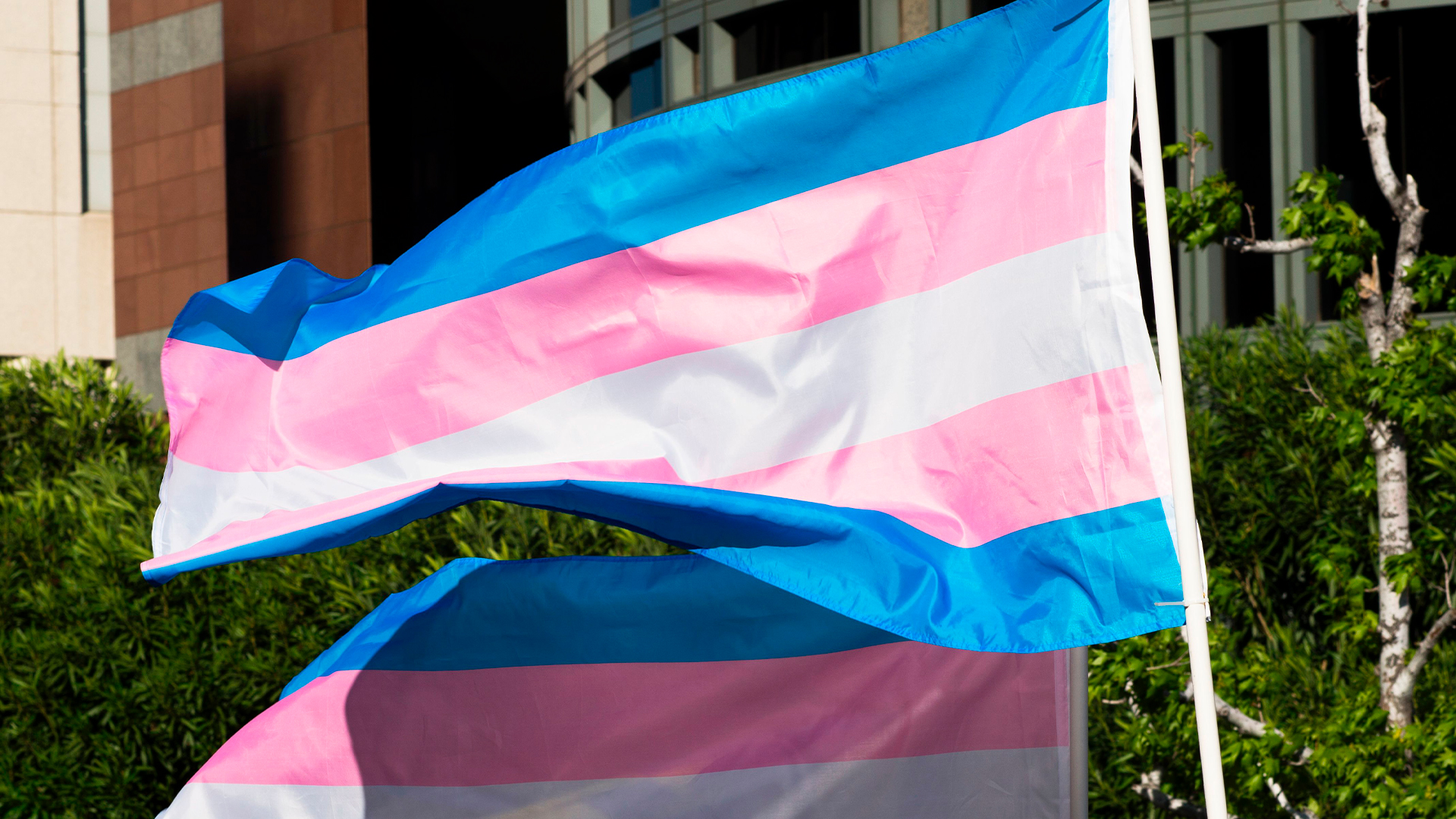
Florida's ban on providing gender-affirming care to new patients went into effect this month after the state’s Boards of Medicine and Osteopathic Medicine voted to approve the rule last year. Under the rule, gender-affirming care includes treatments like puberty blockers, hormone replacement therapy and surgery. The ban makes an exception to allow minors who were already receiving this care before January 2023 to continue their treatments.
"Everybody is in a kind of chaos right now,” said Joseph Knoll, a nurse practitioner and the CEO of Spektrum Health, a community-based health center located in central Florida that specializes in medical and mental health services for the LGBTQ community and beyond. He told me that the new rules leave healthcare professionals who provide this care “feeling helpless.”
Doctors and other practitioners who violate the ban could lose their medical license and be hit with hefty fines. Many are even considering leaving the state, given the uncertainty of future restrictions on their practice. Part of the dismay comes from feeling that the deck has been unfairly stacked. Local news outlets have reported that Florida Governor Ron DeSantis appointed all the members of the “vociferously apolitical” Board of Medicine, several of whom made contributions to his campaign totaling $80,000. DeSantis is reportedly considering running for president in 2024 and gender-affirming care is an issue that many conservative lawmakers have been pushing across the country.
Florida is now one of 10 or more states that have passed similar legislation. In Utah, the state passed a law at the beginning of the year to ban any healthcare professional from providing any gender-affirming treatments to minors or face a felony charge. In February, South Dakota passed a similar law for minors in which medical professionals providing such treatments stood to lose their licenses. Georgia followed in March. And just days ago, West Virginia enacted a ban on gender-affirming therapies, though it made exceptions for teenagers considered to be at risk for self-harm or suicide.


