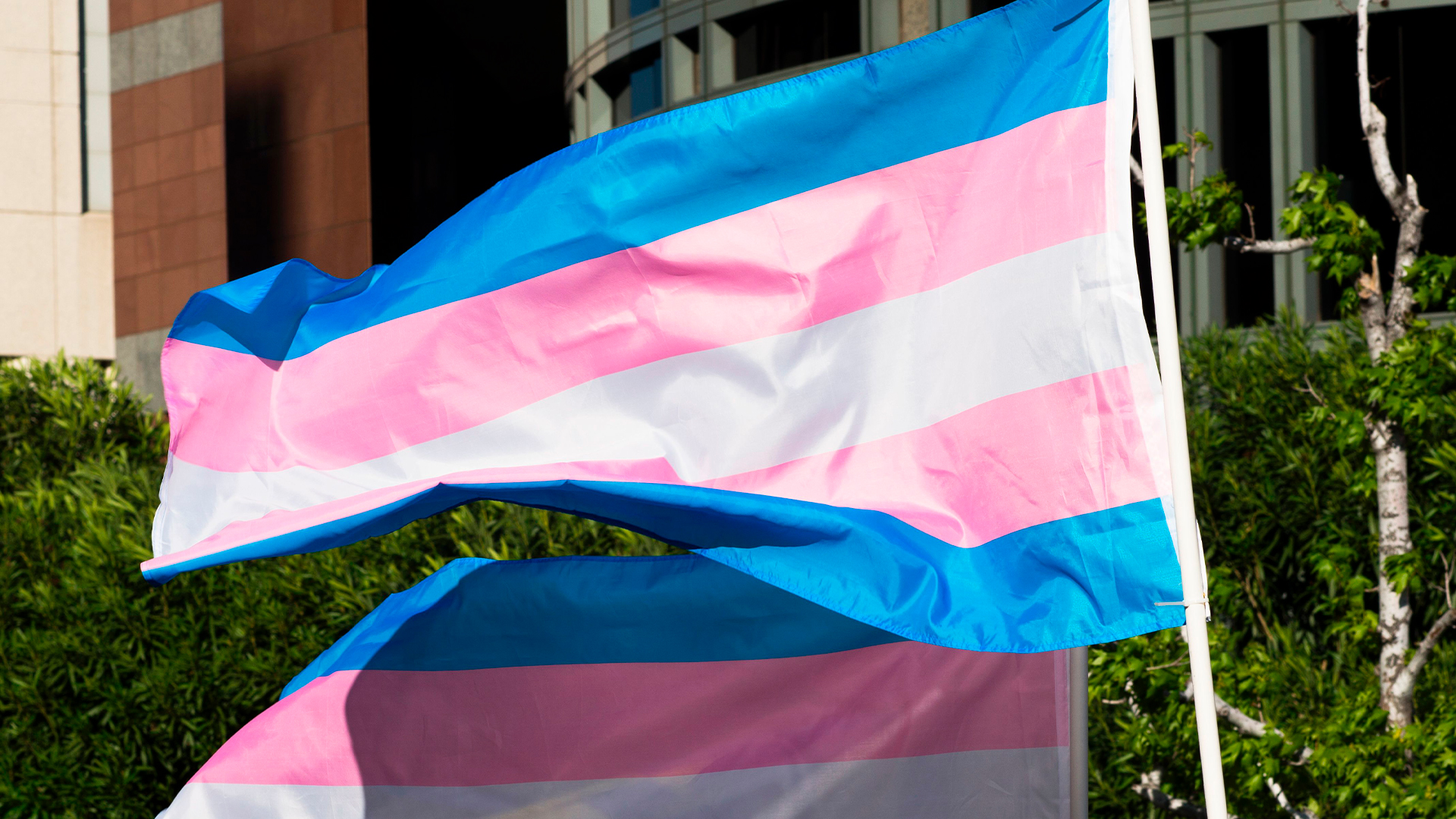
Moved by her mother’s pleas, Trixie, a young transgender woman, agreed to visit the “YouTube Baba,” a holy man whose videos had made him rich and famous across northern India. She went to his estate — the 14-acre Karauli Sarkar Ashram — in the city of Kanpur, an industrial and economic hub in Uttar Pradesh, an Indian state bigger and more populous than most countries.
On April 6, Trixie found herself standing on a stage, before the shaven-headed, heavyset Baba himself. With cameras rolling, two men held her in place while the Baba, draped in long white robes, accused her of being infected with the “disease of queerness.” By posting videos like these on social media, the Baba has made a fortune in just three years. He claims to have a “godly” cure for terminal illnesses and a variety of other personal and psychological complaints.
He also specializes in conversion therapy — in which he claims to “pray the gay away” — and offers a special prayer package to “reconvert” transgender people and align their gender identity to the sex they were assigned at birth. Trixie’s family paid about $1,830 for her “treatment,” a sizable sum in a country in which the average monthly wage is below $500.
The Baba’s promises to banish homosexuality and to “cure” transgender people appeal to longstanding popular prejudices in Uttar Pradesh and other parts of India. Even the federal government is currently arguing in the Indian Supreme Court that gay marriage is an “urban elitist concept.” For most of the country, the government insists as it attempts to put the brakes on the Supreme Court hearings that would determine whether India should legalize same-sex marriage, the “notion of marriage itself necessarily and inevitably presupposes a union between two persons of the opposite sex.” And this notion is “deeply embedded in religious and societal norms.”