When globalization was king and home was elsewhere
My parents moved from Bombay to Kuwait when I was six weeks old. We moved because the money was good, the living was easy, and it had none of the grime of India, the clamorous crowds in the cities we left behind. Their kids, my parents told themselves, would have better opportunities in the Gulf. Not that any of us had it all that hard in India. But India was not Kuwait.
Then, when I was 12, hundreds of thousands of Iraqi soldiers, hardened by a ruinous, nearly decade-long war with Iran, annexed Kuwait.
The Big Idea: Age of nostalgia
Infatuation with a mythologized history has overtaken communities, cultures, entire regions, sending society and identity into a fun-house mirror of nostalgic reflections. This special issue brings you stories of people finding solace in pasts imagined and grieving for futures foreclosed in a time of existential threats.
Nostalgia has both been harnessed for political ends and become its own political force, electrifying powerful currents of populism, jingoism, and longing for dynastic rule. It also reaches deep into the crevices of human feeling — in kitchen table conversations and on TikTok alike — leading to a thickening of anger, loss, and sadness.
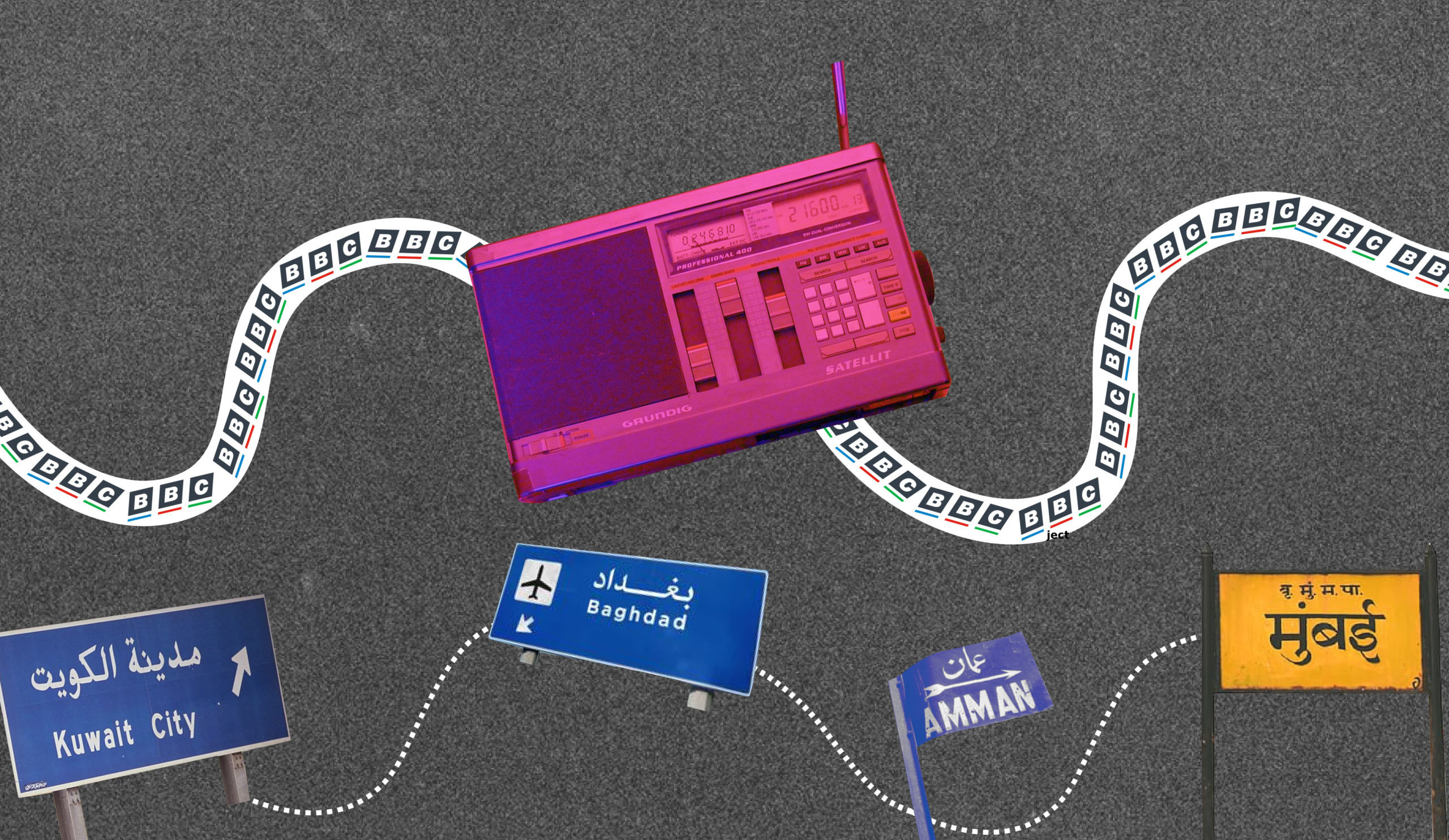
I slept through the invasion, waking to the sound of the news on my shortwave radio, which my father had commandeered. This radio — an industrial slate-gray Grundig Satellit 650, stolid, weighty and unglamorous, “just like German girls” as my Calcutta-born, Germany-educated father would say — was a major presence in my life.
This radio, or rather the hours I spent with my ear soldered to it, listening to the BBC World Service, was at fault for what my mother called my “Britification.” My Anglophilia had long made me the object of family scorn. Hobson-Jobson, or Suited-Booted, my dad would call me when he was feeling affectionate, “ingrej” (meaning Englishman, albeit spat contemptuously from the side of his mouth) when less so.
When globalization was king and home was elsewhere
My parents moved from Bombay to Kuwait when I was six weeks old. We moved because the money was good, the living was easy, and it had none of the grime of India, the clamorous crowds in the cities we left behind. Their kids, my parents told themselves, would have better opportunities in the Gulf. Not that any of us had it all that hard in India. But India was not Kuwait.
Then, when I was 12, hundreds of thousands of Iraqi soldiers, hardened by a ruinous, nearly decade-long war with Iran, annexed Kuwait.
The Big Idea: Age of nostalgia
Infatuation with a mythologized history has overtaken communities, cultures, entire regions, sending society and identity into a fun-house mirror of nostalgic reflections. This special issue brings you stories of people finding solace in pasts imagined and grieving for futures foreclosed in a time of existential threats.
Nostalgia has both been harnessed for political ends and become its own political force, electrifying powerful currents of populism, jingoism, and longing for dynastic rule. It also reaches deep into the crevices of human feeling — in kitchen table conversations and on TikTok alike — leading to a thickening of anger, loss, and sadness.
I slept through the invasion, waking to the sound of the news on my shortwave radio, which my father had commandeered. This radio — an industrial slate-gray Grundig Satellit 650, stolid, weighty and unglamorous, “just like German girls” as my Calcutta-born, Germany-educated father would say — was a major presence in my life.
This radio, or rather the hours I spent with my ear soldered to it, listening to the BBC World Service, was at fault for what my mother called my “Britification.” My Anglophilia had long made me the object of family scorn. Hobson-Jobson, or Suited-Booted, my dad would call me when he was feeling affectionate, “ingrej” (meaning Englishman, albeit spat contemptuously from the side of his mouth) when less so.